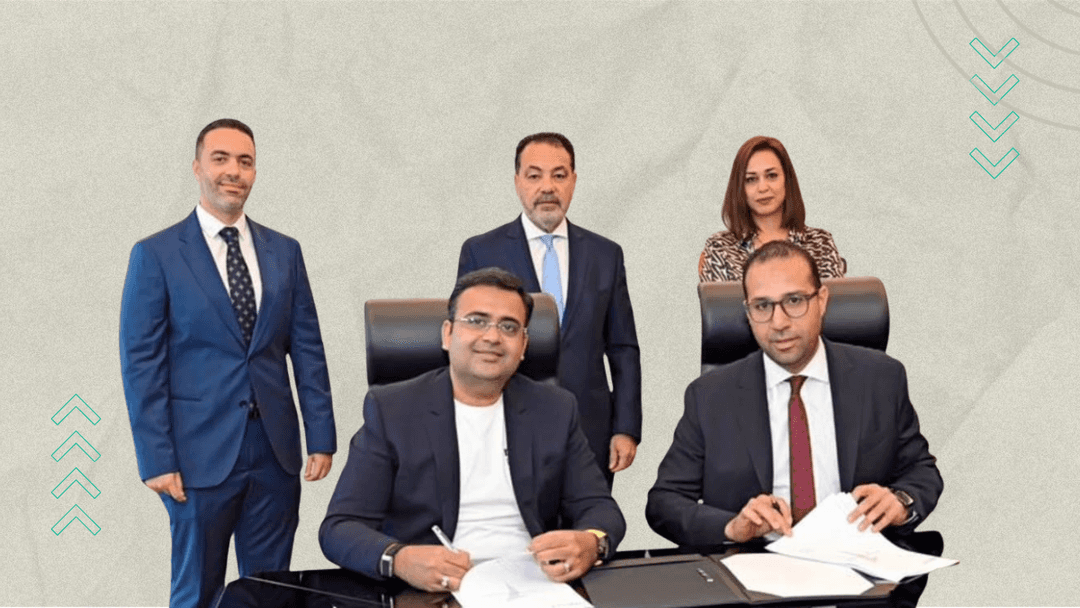


Summary
- ARABSAT and etisalat signed a strategic agreement for a new DTH bouquet.
- The bouquet runs on the BADR-8 satellite, focused on the MENA region.
- It is uplinked from the etisalat TAS Earth Station in Sharjah.
- Etisalat will offer end-to-end uplink and fully managed transmission services.
- Both companies say the deal grows etisalat's space business across the region.
ARABSAT and etisalat have signed a strategic agreement to secure a full new DTH (Direct-to-Home) bouquet on the BADR-8 satellite. The bouquet will be uplinked from the etisalat TAS Earth Station, a high-capacity satellite communication ground hub in Sharjah, with a primary focus on the Middle East and North Africa.
For anyone who doesn't spend their days thinking about satellites, a "bouquet" is simply a package of channels carried together on one satellite, which households pick up directly with a dish. That is what DTH means: the signal goes from space straight to the home, with no cable network in between.
BADR-8 sits at 26.0° East. According to the announcement, that position lets the bouquet reach a broad and diverse audience, with MENA as the primary focus.
The division of labour is fairly clear. Under the agreement, etisalat will let space customers distribute their content across MENA through ARABSAT's established satellite footprint. It will also offer end-to-end uplink services, covering content reception, signal aggregation, encoding and multiplexing where required, satellite uplink, monitoring and fully managed transmission.
In other words, a broadcaster could hand over its content and let etisalat handle the technical heavy lifting. The companies say this positions etisalat as an integrated satellite connectivity provider, and describe the deal as a major milestone in strengthening its space business.
Saud M. Almadhi, Chief Commercial Officer at ARABSAT, framed it in commercial terms.
"This partnership will enable us to serve multiple customers through a shared platform, optimise infrastructure utilisation, and generate recurring revenues, supporting sustainable growth while delivering greater value to our customers."
Almadhi added that the partnership lays the foundation for future service innovation, including advanced contribution, distribution and hybrid satellite-terrestrial solutions for media and broadcast customers.
Nabil Baccouche, Group Chief Carrier & Wholesale Officer at etisalat, called it "a strategic step" in the company's ambition to grow its space business. He said combining etisalat's earth station infrastructure and operational capabilities with ARABSAT's regional coverage creates "a powerful platform for service providers and satellite partners" to serve their requirements across MENA, and would "enhance our resilience capabilities over the sky".
So, why does this matter beyond the broadcast industry? To be fair, satellite TV is not the flashiest corner of the regional tech scene. Around Arageek, we usually talk about startups and funding rounds, not uplink stations. That said, shared infrastructure deals like this one are a quiet but telling trend: owners of expensive assets are trying to squeeze more recurring revenue out of capacity they already have, rather than building everything twice.
I reckon the more interesting part is the hint at hybrid satellite-terrestrial services. No timeline or financial terms were disclosed, so it is too early to say what that will look like in practice. Still, for media companies and service providers across MENA, a single managed route onto a regional satellite should make distribution less of a faff.
🚀 Got exciting news to share?
If you're a startup founder, VC, or PR agency with big updates—funding rounds, product launches 📢, or company milestones 🎉 — AraGeek English wants to hear from you!
✉️ Send Us Your Story 👇