Summary
- X-GEN plans to raise its investments fivefold over the next three years.
- The target is approximately EGP 5 billion in total investments.
- It is seeking technology transfer partners in China, France and Saudi Arabia.
- The company already has projects in Libya and is building business in Saudi Arabia.
- Its model sells services built on drones and robots, not the equipment itself.
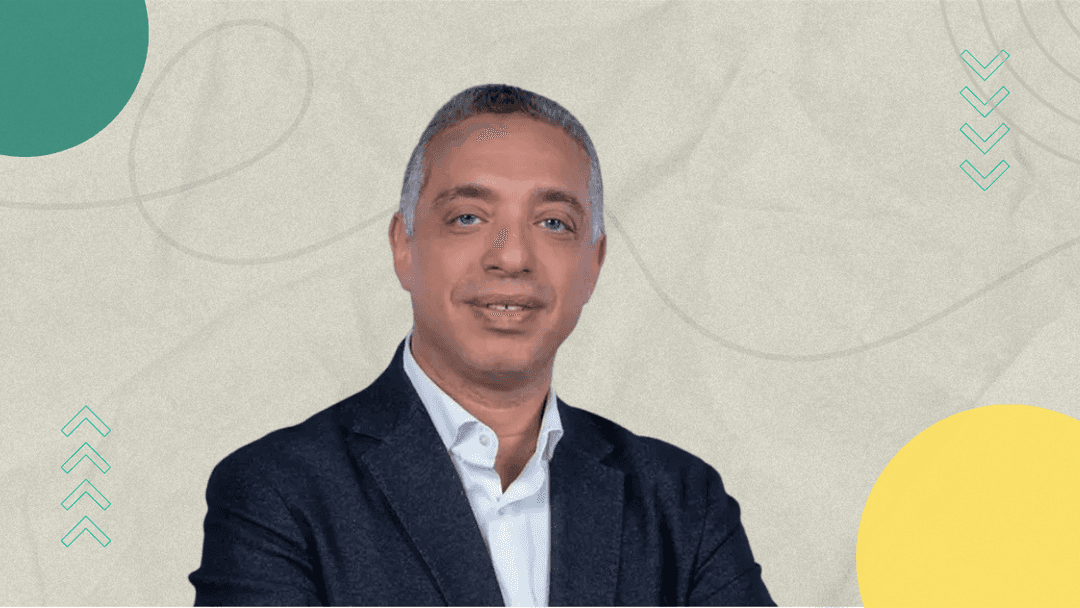
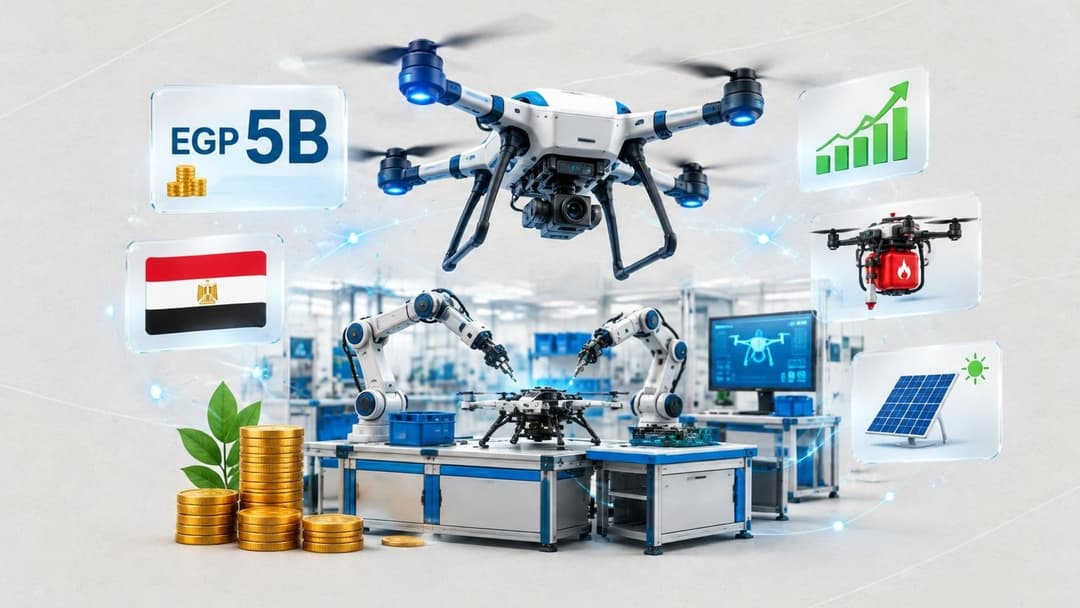
Egypt's X-GEN is planning a fivefold increase in its investments, to approximately EGP 5 billion (USD 92.3M) over the next three years, as it works to localise drone and robotics manufacturing at home. Founder and CEO Amir Waheed set out the plan in an interview with Asharq Business, as reported by WAYA.
Alongside the money, the company is chasing technology transfer partnerships with entities in China, France and Saudi Arabia. The idea is simple enough: bring in advanced technology from abroad, then build up the local know-how and components to make it work for Egyptian industries.
That is worth pausing on. Plenty of firms in the region import hardware and resell it with a margin. X-GEN says it does something different, bringing in international technologies through commercial agencies and then adapting them with domestically made components to meet the needs of the Egyptian market.
How much is made locally depends on the product. Some applications built on imported drones, including firefighting systems, have local components of approximately 15%, with their operating mechanisms manufactured in Egypt. At the other end of the scale, one of the company's founding partners has produced an Egyptian drone with local components of approximately 95%, including the aircraft's structure and other parts.
Waheed explained that the approach centres on localising global technologies by developing Egyptian components and integrating them into imported systems, and on customising each solution to the operational requirements of a given sector. Crucially, the business model is about providing services rather than selling equipment. I reckon that is the smarter play in a market where buyers often want an outcome, such as a fire put out or a field monitored, rather than a fleet of machines to maintain themselves.
The sectors on the list are practical ones: electricity, energy, agriculture, facilities management and firefighting. In each case, X-GEN says it will design its services around the specific needs of the customer.
The company is not only looking inwards. It has started implementing projects in Libya and is developing business relationships and projects in Saudi Arabia, with plans to enter more neighbouring markets in the coming period. That said, Waheed did not disclose the value of its regional operations or name the next target markets, so there is a bit of a gap between ambition and detail for now.
The timing fits a wider push. Egypt is trying to strengthen domestic manufacturing and lean less on imported technology, and its industrial strategy targets USD 100 billion in non-oil exports by 2030. According to a July statement by the Presidency, the 2026 to 2030 strategy includes developing local suppliers and supporting small and medium-sized industries.
Around Arageek, we often talk about how hardware is the hard road for MENA founders: it needs capital, patience and partners willing to share real know-how. To be fair, X-GEN's mix of imported platforms and rising local content is a sensible way to climb that curve step by step rather than all at once.
If the partnerships with China, France and Saudi Arabia land and the investment plan holds, X-GEN could become one of the more interesting tests of whether Egypt can build a genuine drone and robotics supply chain of its own, and export the services that run on it to its neighbours.
🚀 Got exciting news to share?
If you're a startup founder, VC, or PR agency with big updates—funding rounds, product launches 📢, or company milestones 🎉 — AraGeek English wants to hear from you!
✉️ Send Us Your Story 👇