Summary
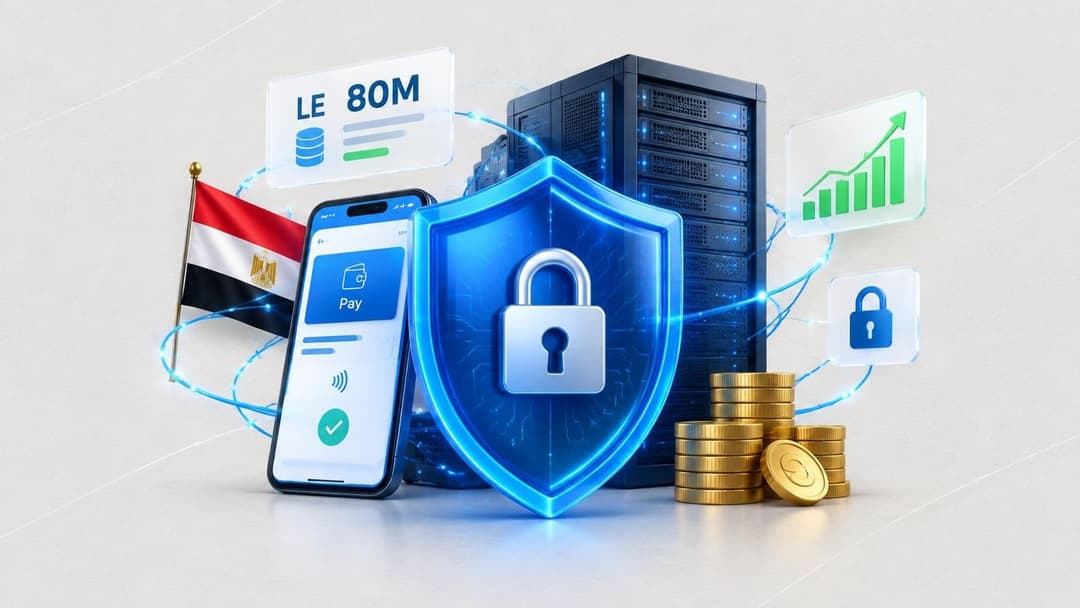
- Fawry plans to invest LE 80 million in technology by the end of 2026.
- Cybersecurity and digital infrastructure upgrades are the top priorities.
- The company directs around 10% of its revenue to technology investments.
- Fawry is preparing to launch microinsurance services in 2027.
- Expansion outside Egypt is being approached cautiously due to geopolitical conditions.
Egyptian fintech company Fawry plans to put LE 80 million (approximately $1.6 million) into technology investments by the end of 2026, with cybersecurity and improvements to its digital infrastructure at the top of the list. The plans were outlined by Ashraf Sabry, CEO and Managing Director of Fawry for Banking Technology and Electronic Payments.
It is not a funding round or a flashy acquisition. It is something arguably more telling: a payments company deciding where its own money goes.
According to Sabry, Fawry directs approximately 10% of its revenue towards technology investments, and cybersecurity receives the largest share of that pot. The company spends at least $3 million a year on cybersecurity, continually upgrading its systems to keep pace with international security practices and technologies.
For a business that moves money for millions of everyday transactions, that priority makes sense. Payments run on trust. Lose it once, and winning it back is a long, expensive faff.
That said, the technology budget is only part of the picture. Alongside these investments, Fawry is preparing to introduce microinsurance services in 2027, a move that would take its financial products well beyond digital payments.
Microinsurance, for anyone new to the term, means small, low-cost insurance policies designed for people and small businesses that traditional insurers often overlook. For a company whose name is already familiar to a huge base of Egyptian payment users, it is a logical next door to knock on, though Sabry did not share a launch date beyond the year or details of the products.
The company is also developing its factoring activities. In plain terms, factoring lets a business get cash now against invoices its customers will pay later, which gives companies financing options linked to their receivables rather than to traditional collateral.
Put the pieces together and a pattern emerges. Technology spending protects the existing business, microinsurance broadens what customers can buy, and factoring opens a new line of business with companies. Each one leans on the same thing: infrastructure that customers and partners can rely on.
On the question of growing abroad, Sabry struck a careful note. He said Fawry is approaching expansion outside Egypt cautiously because of geopolitical conditions, while keeping a diversified business model across payment processing and financial services.
Business-to-business payments remain a major source of transaction volume for the company, he noted, although they operate on relatively narrow profit margins. To be fair, that is a familiar trade-off in payments: volume is easy to celebrate, margins are harder to defend.
Around Arageek, we often talk about how MENA fintechs graduate from a single product to a broader financial services stack. Fawry's plans read like a textbook version of that shift: secure the core, then layer on insurance and business financing.
I reckon the more interesting signal for the wider ecosystem is the order of priorities. Before chasing new markets, one of Egypt's best-known fintech names is spending first on the plumbing that keeps customers' money safe. For younger startups across the region building in payments and lending, that is a lesson worth noting.
🚀 Got exciting news to share?
If you're a startup founder, VC, or PR agency with big updates—funding rounds, product launches 📢, or company milestones 🎉 — AraGeek English wants to hear from you!
✉️ Send Us Your Story 👇