Summary
- Finnish energy transition firm ROTOBOOST has secured a strategic investment from Aramco Ventures.
- Its methane splitting technology turns methane into low-carbon hydrogen and solid carbon materials.
- The process also yields crumpled graphene sheets for batteries, polymers, tyres and coatings.
- The money will speed up manufacturing of commercial systems and carbon material output.
- Expansion plans cover the Middle East, Europe, Asia and North America.
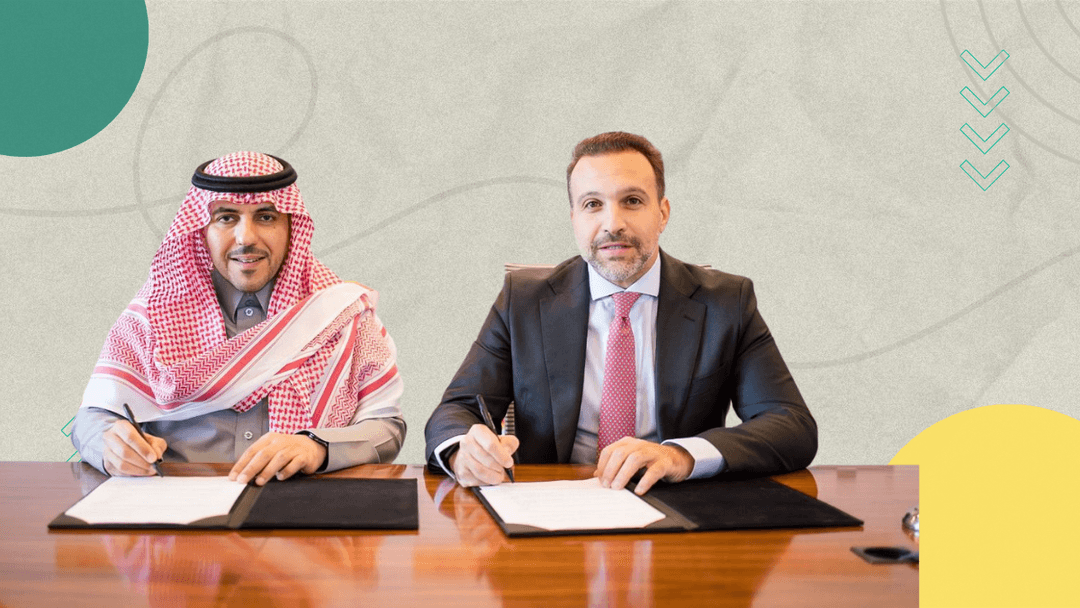
Finnish energy transition company ROTOBOOST has secured a strategic investment from Aramco Ventures, the investment arm of Saudi Aramco. The aim is to speed up the development of its technology for producing low-carbon hydrogen and advanced carbon materials, and to open new markets for its industrial applications. The report did not mention the size of the investment.
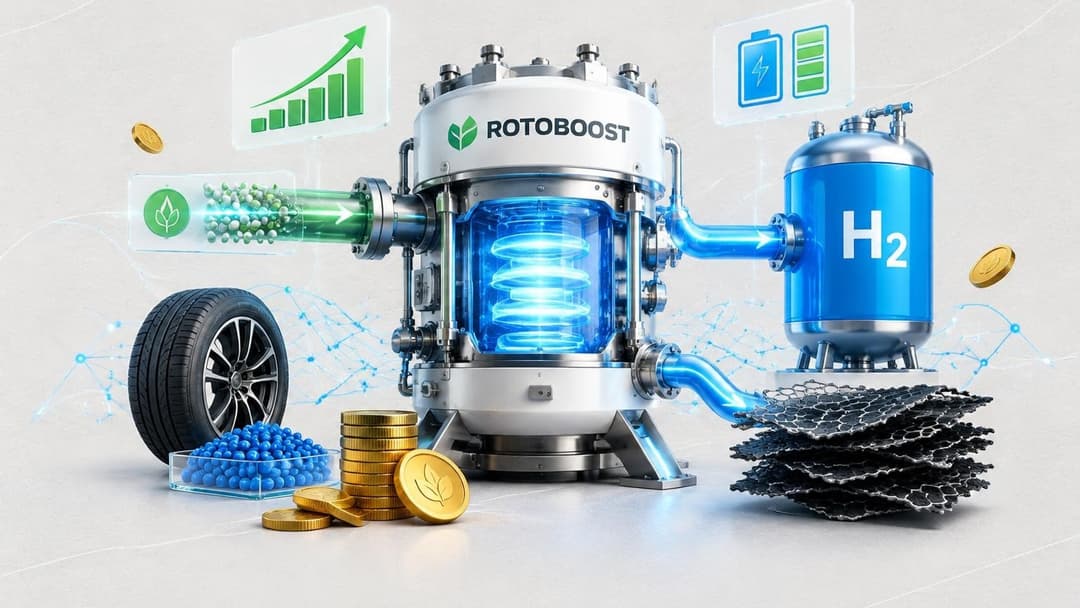
At the heart of the deal is a process called methane splitting. Put simply, ROTOBOOST takes methane and other hydrocarbons and breaks them down into low-carbon hydrogen, while producing high-value solid carbon materials at the same time. Among those materials are crumpled graphene sheets, which are used in advanced industrial applications.
The technology relies on a molten catalyst to split methane and other hydrocarbons. What comes out is hydrogen on one side and solid carbon on the other, and that carbon can be put to work across a number of industries.
That second output is the clever bit. Rather than relying only on cutting emissions to make the economics work, the model can also draw on potential revenue from selling the materials produced along the way. The crumpled graphene sheets, according to the company, have properties that suit them to batteries, polymers, tyres and coatings, which opens the door to more diverse revenue streams.
ROTOBOOST pitches its approach as an alternative to some of the traditional ways of making hydrogen. The company says its technology produces lower emissions than steam reforming, one of the conventional routes to hydrogen, and needs less energy than water electrolysis, which splits water using electricity.
Why does that matter? Cost and emissions remain two of the biggest hurdles to scaling the low-carbon hydrogen market commercially. Heavy industry and energy players want solutions that are both efficient to run and make financial sense, and to be fair, getting both right at once is a tall order.
According to the report, the new money from Aramco Ventures will help accelerate the manufacturing of commercial methane splitting systems, as well as increase the output of carbon materials and widen the range of their industrial uses.
The expansion plans cover the Middle East, Europe, Asia and North America. That signals a shift for the company, from developing the technology to scaling up its commercial and geographic reach.
Around Arageek, we often talk about how Gulf corporate venture arms are shaping the energy transition well beyond the region's borders. This deal fits that pattern neatly: a Saudi investor backing a European deep-tech company whose product could find customers right here in the Middle East.
I reckon the dual-output angle is what makes this one worth watching. A hydrogen technology that also turns its by-product into something marketable, instead of treating it as waste, could have a stronger commercial case than one that leans on emissions savings alone. That said, the real test will be how quickly those commercial systems reach industrial scale, and the region's heavy industries will be paying close attention.
🚀 Got exciting news to share?
If you're a startup founder, VC, or PR agency with big updates—funding rounds, product launches 📢, or company milestones 🎉 — AraGeek English wants to hear from you!
✉️ Send Us Your Story 👇