
Summary
- The UAE has extended small business tax relief until 31 December 2029.
- Eligible firms with revenue up to AED 3 million still get lighter compliance.
- The AED 3 million cap stays fixed, disappointing founders wanting a higher threshold.
- Relief is not automatic; businesses must keep records and check eligibility each period.
- The move gives startups more stability and a clearer path for tax planning.
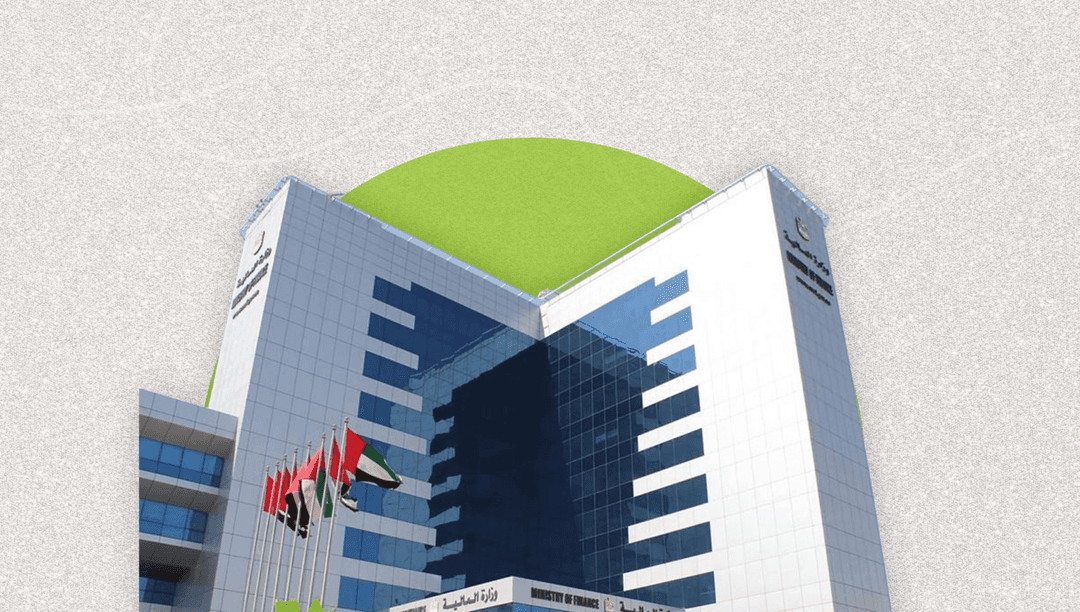
The UAE is giving small businesses a bit more breathing room on corporate tax. The Ministry of Finance has issued Ministerial Decision No. 131, extending the small business relief scheme for tax periods ending on or before 31 December 2029.
In simple words, eligible businesses can continue to benefit from lighter corporate tax compliance requirements for a few more years. That matters, because for early-stage founders and smaller firms, tax paperwork can be a bit of a faff even before growth challenges enter the picture. Around the MENA startup scene, readers of Arageek will know this kind of clarity often means more than flashy slogans.
The relief still applies to taxable persons with annual revenue of no more than AED 3 million. That threshold has not changed. So, despite the extension, there is no increase in the qualifying revenue cap, and businesses earning above AED 3 million a year remain outside the scheme under the current rules.
The decision also keeps the threshold first set under Ministerial Decision No. 73 of 2023 in place for tax periods beginning on or after 1 June 2023, as well as later tax periods ending on or before 31 December 2029. That said, taking advantage of the relief is not automatic. Companies still need to meet all the conditions and controls laid out in the UAE’s corporate tax legislation.
This means businesses should keep accurate financial records, monitor their yearly revenue carefully, and check their eligibility in each relevant tax period. It sounds obvious, but well… I mean, many small companies only discover compliance gaps when it is too late, and that can turn into a proper headache.
The broader aim is clear enough. UAE authorities want to support small firms and startups, reduce the compliance burden tied to corporate tax, and encourage businesses to stay on the right side of the law while they grow. On the flip side, the fixed AED 3 million ceiling may disappoint some founders who hoped for a higher cap as costs and ambitions rise. I reckon that view is fair, even if the extension itself is still spot on for many smaller operators.
For startups trying to plan hiring, expansion, or simply survive the early years, extra predictability goes a long way. I’ve seen founders across the region spend more energy on admin than on building the actual product, and that’s never ideal. So this move should be welcome news, even if it is not exactly a game-changer for every business. It does, at least, give qualifying companies in the UAE more stability and a clearer path for tax planning through to the end of 2029, which is definately better than uncertainty.
🚀 Got exciting news to share?
If you're a startup founder, VC, or PR agency with big updates—funding rounds, product launches 📢, or company milestones 🎉 — AraGeek English wants to hear from you!
✉️ Send Us Your Story 👇