
Summary
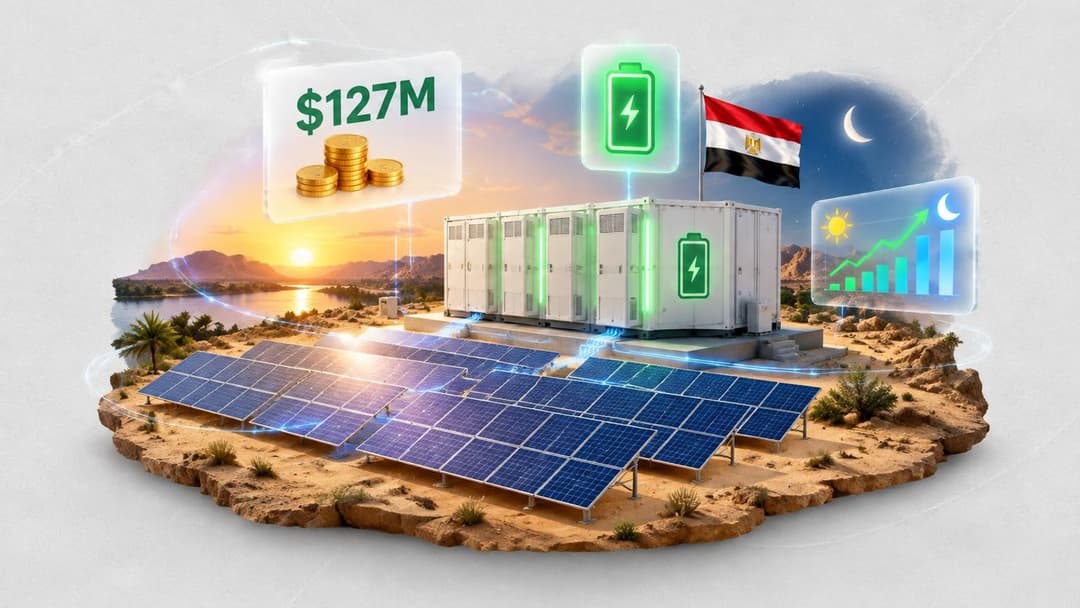
- Infinity Power and HAU Energy secured USD 127 million in financing.
- The money funds the Nefer Benban solar and battery project near Aswan.
- EBRD and CTF provide half, while Germany's DEG provides the other half.
- The project pairs a solar plant with a 120 MWh battery system.
- It is expected to power about 310,000 homes every year.
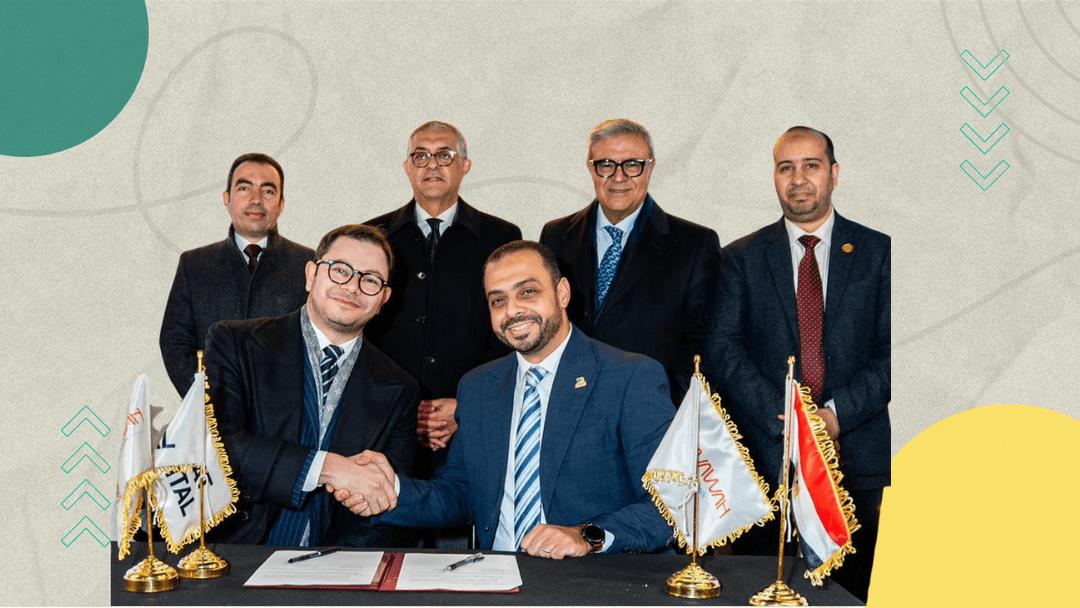
Infinity Power and HAU Energy, a funding vehicle set up by Hassan Allam Utilities (HAU), have secured USD 127 million to build an integrated solar and battery project in Aswan, Egypt. The Nefer Benban project will pair 258.5 MWp of solar capacity with battery storage, a milestone for integrated renewable energy infrastructure in the country.
The financing comes in two equal halves. The European Bank for Reconstruction and Development (EBRD) and the Climate Investment Funds' Clean Technology Fund (CTF) will provide USD 63.5 million, while the German Development Finance Institution (DEG) will put in the remaining USD 63.5 million.
Look a little closer at the EBRD-led portion and it splits again: up to USD 56 million comes from the bank itself, and USD 7.5 million is concessional financing from CTF through its Accelerating Innovation in Renewable Energy 2.0 programme.
So what exactly is being built? The development, officially the Nefer Benban Solar PV and Battery Energy Storage Project, sits in Benban, near Aswan. It combines a 258.5 MWp solar photovoltaic plant with a battery energy storage system of 120 MWh.
That battery is the interesting bit. Solar plants are brilliant at noon and rather less useful at 9pm. Here, the battery system will store surplus electricity generated during the day and release it when demand is higher, including after sunset. In other words, renewable power that stays available beyond daylight hours.
Once it is running, the project is expected to produce enough electricity to serve approximately 310,000 homes a year. It is also projected to prevent more than 349,000 tonnes of carbon dioxide emissions each year.
The project tackles two priorities for Egypt's energy sector at once: generating more renewable electricity, and getting better at storing and distributing it. That could strengthen grid reliability while supporting the country's push to diversify its energy mix. It also supports Egypt's Nexus on Water, Food and Energy (NWFE) initiative, which seeks to attract private investment into additional renewable capacity.
There is a people side to the deal, too. The project will introduce nationally accredited green-skills training programmes in Aswan Governorate, aimed at preparing young professionals for jobs in renewable energy. The partners also plan to promote more inclusive employment practices and widen opportunities for women in technical and leadership roles.
Around Arageek, we often talk about how infrastructure quietly shapes what founders can build on top of it, and energy is the most basic layer of all. For investors and developers, Nefer Benban adds weight to the case for combining solar generation with battery storage in markets that want a more reliable grid, and it builds on Benban's established position as a major renewable energy hub.
I reckon the storage piece is what to watch. Adding solar panels is the easy part; turning more solar and wind capacity into a flexible, dependable electricity system is where the real work lies. If Nefer Benban delivers, Egypt gains practical experience with utility-scale solar-plus-storage, plus a pool of local talent trained to keep the sector growing.
🚀 Got exciting news to share?
If you're a startup founder, VC, or PR agency with big updates—funding rounds, product launches 📢, or company milestones 🎉 — AraGeek English wants to hear from you!
✉️ Send Us Your Story 👇