
Summary
- Zelo has deployed over US$500 million in cumulative advances to UAE businesses.
- The Abu Dhabi fintech has facilitated more than 12,000 transactions so far.
- It is a subsidiary of IHC and regulated by the FSRA.
- More than 70% of its transactions now sit outside the IHC ecosystem.
- Zelo aims to reach US$1 billion in cumulative advances by the end of 2028.
Abu Dhabi fintech Zelo had deployed more than US$500 million in cumulative advances and facilitated over 12,000 transactions by the first half of 2026, according to its founders, and it now wants to double those advances to US$1 billion by the end of 2028. The company, a subsidiary of International Holding Company (IHC) regulated by the Financial Services Regulatory Authority (FSRA), works with more than 200 government-related entities and large corporate buyers.
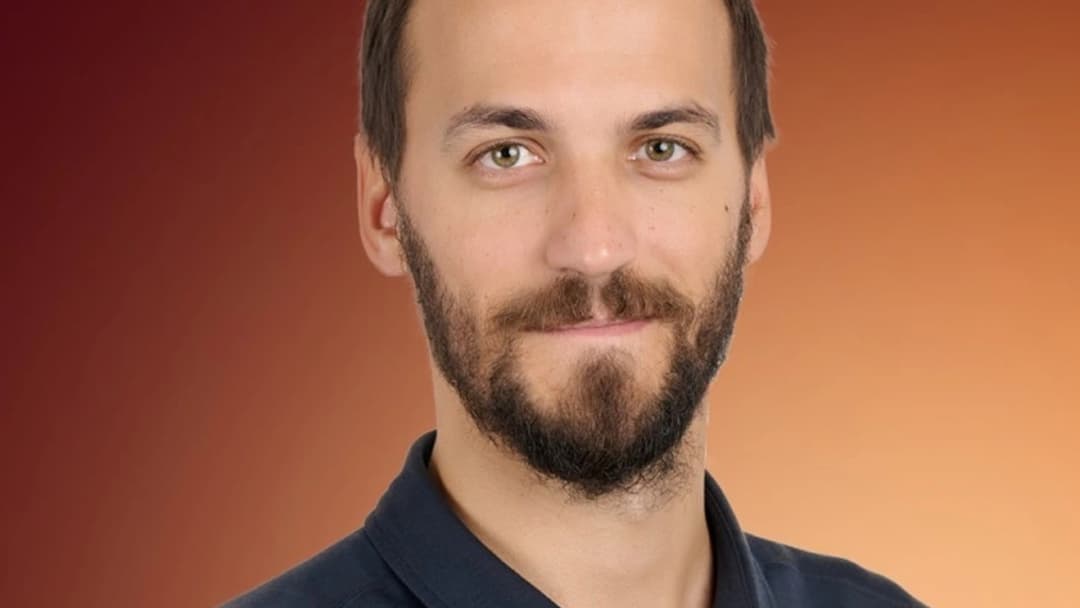
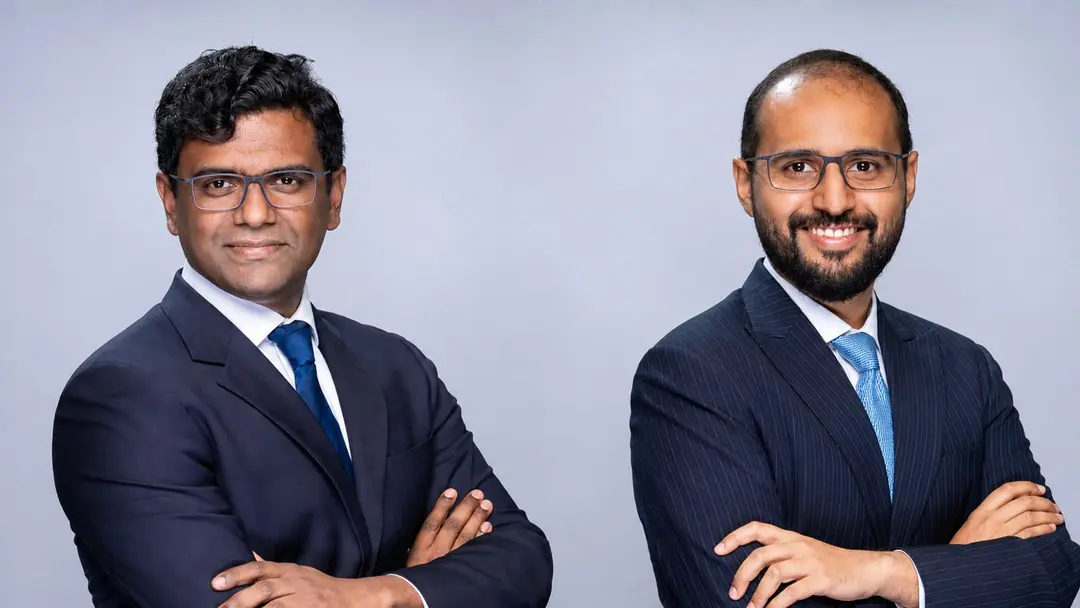
The story behind it starts somewhere unexpected. In 2018, Dhanush Arjun and Deepak Sekar met at a badminton game in Abu Dhabi and spent almost half of that first session sitting on a bench talking rather than playing. Two years later, at the onset of the pandemic, that friendship became Zelo.
Sekar, now the company's COO, has a background spanning investment banking, technology and venture building. While working with a regional e-commerce platform, he kept seeing merchants with strong sales who could not grow their inventories because their cash was tied up in completed transactions. Arjun, the CEO, had been exploring a similar idea through his private equity work: linking financing to commercial activity across large industrial and buyer ecosystems.
"The way I describe our partnership is that we're both builders – I build top-down, and Deepak builds bottom-up," says Arjun.
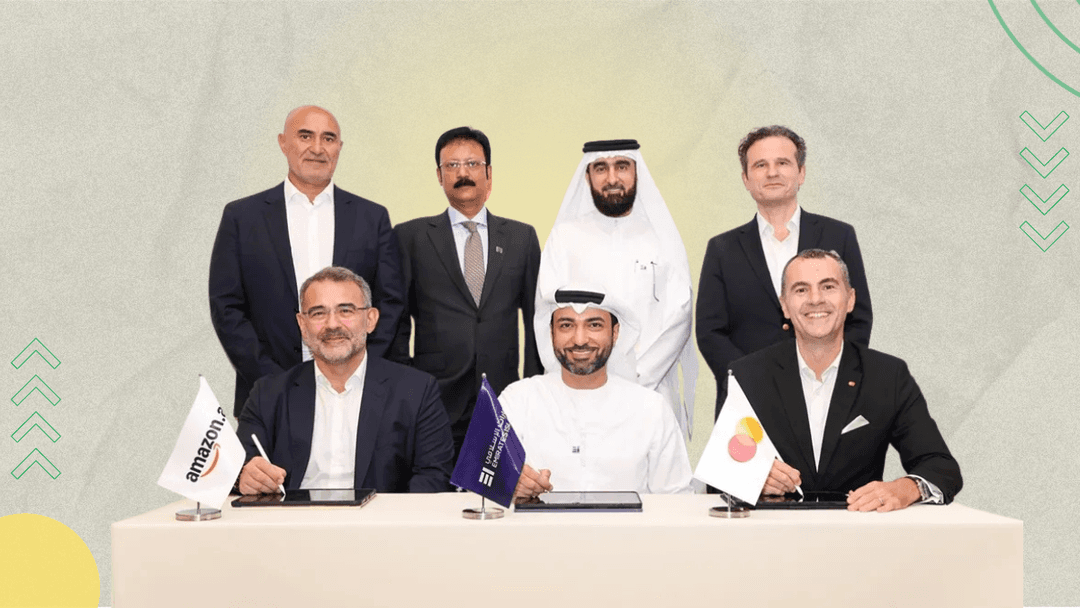
The early days were not smooth. The founders raised initial capital from a group of angel investors expecting to launch through a major e-commerce marketplace, and then the prospective partner withdrew. Sekar kept going, securing a position as a financing partner on Amazon and personally contacting merchants to land the first customers. Back then the business was called eFunder.AI and was already using alternative data and machine learning in 2020. That said, the Amazon experience taught them something bigger: financing works best when commercial activity and reliable data sit in one connected ecosystem.
Joining IHC was the turning point. The backing helped Zelo strengthen governance, attract talent, invest in technology and expand its financing capabilities, while giving it insight into IHC's businesses in energy, critical infrastructure, logistics, construction, real estate and healthcare. To be fair to the team, it is not simply a captive lender either: as of the third quarter of 2026, more than 70% of Zelo's transactions were outside the IHC ecosystem.
Their view of the SME financing gap is spot on for anyone who has run a small supplier business in the Gulf. Large buyers know a lot about their suppliers, awarded contracts and completed work, but that information rarely reaches banks and other financiers. Across Zelo's portfolio, average invoice payment terms stretched from 66 to 111 days during 2026, which is a long time for a small firm to wait for its money.
Zelo raised more than US$700 million in locally anchored transaction capital in December 2025. During this year's regional disruption it financed trucking aggregators that needed immediate liquidity for fuel and running costs, helping a major port operator set up a trucking division, and structured financing for a supplier with just two weeks to mobilise on an urgent water infrastructure project.
The company has moved from invoice financing into bank guarantee financing and now procurement technology. Its next big bet is Zelo Procure, a platform that ties together procurement, supplier management and access to financing, and opens the door for banks, private credit funds and other institutional investors to take part. Becoming a leading asset origination platform in the UAE is among its priorities for 2027, while it selectively explores other regional markets.
"From the outset, our ambition was to build an institution rather than simply a successful startup," says Arjun. Around Arageek, we often talk about how working capital, not ideas, is what quietly holds back MENA's small businesses. I reckon Zelo's approach, following the friction inside supply chains rather than chasing loan volumes, is one other founders in the region will be watching closely.
🚀 Got exciting news to share?
If you're a startup founder, VC, or PR agency with big updates—funding rounds, product launches 📢, or company milestones 🎉 — AraGeek English wants to hear from you!
✉️ Send Us Your Story 👇
Follow Arageek on Google
Make Arageek your preferred source, so our news shows first in your search results.
Newsletter
Get the Arageek newsletter
Join more than 60,000 subscribers and get the AI and tech news that matters, straight to your inbox.
Free. Unsubscribe at any time. Read our privacy policy.